
Banner
Add a concise subheading about your product or business to your students.
Please watch the getting started video below before you begin using your new superpowers

This is layout snip will not be visible inside of this window. Hover over here to copy the snippet and then place inside your course lesson.

This is popup snip that is set to trigger on lesson start. Hover over here and click the Show Popup button to view the popup now.

We're so glad you're here! Let's give your hormones the support they've been asking for. Use these tips to get the most out of this course.
- Dietitians Brenda & Megan
Resource Hub: Download your workbook and recipe book, filled with invaluable tools and resources to support you
Lessons: Short, easy-to-follow videos explaining your hormones, common hormone-related conditions, and how nutrition can help. You’ll get the “why” behind what's happening and practical tips to feel more in control.
Keep moving: Click 'Complete & Continue' on non-video sections to progress through the course smoothly.
To improve video loading times, consider clearing your cache and cookies. Detailed instructions and additional troubleshooting steps can be found in the Syllabus + FAQs.

This is popup snip that is set to trigger on lesson complete. Hover over here and click the Show Popup button to view the popup now.
We recommend printing it to use as a companion guide as you go through this course. There are places to take notes, key takeaways from each lesson, and more.
– Dietitians Brenda & Megan

This recipe book is chock-full of delicious and hormone balancing recipes created by Launch My Health's Chef Jeremy. Download and save now!
Curious about our favorite things that make cooking more fun and easy? Check out our list of top kitchen tools and more!

Get these recipes and more by downloading the recipe book.


This is effect snip that will is set to trigger on lesson start. Hover over here and click the Show Effect button to see the effect in action.
Meet the hormones behind your energy, mood, and monthly plot twists.
Flip the cards to see who's in charge.

Estrogen: the Queen Bee
I rise after your period and bring energy, mood boosts, and glow.
I support brain and bone health and help prep your body for pregnancy. Powerful and radiant, but balance matters.

Follicle Stimulating Hormone (FSH): The Producer
I kick off your cycle by telling your ovaries which egg to mature.
Working quietly behind the scenes, I set ovulation in motion. When my levels are off, cycles can become irregular.

Luteinizing Hormone (LH): The Wildcard
I surge mid-cycle to trigger ovulation and release the egg.
If my moment is missed, ovulation does not happen, which can lead to irregular cycles, acne, and mood swings.

Progesterone: The Peacekeeper
I rise after ovulation to calm the nervous system, support sleep, and maintain the uterine lining.
No fertilized egg? I gracefully bow out and let the cycle reset.
This is popup snip that is set to trigger on lesson start. Hover over here and click the Show Popup button to view the popup now.

Whether you’re trying to get pregnant or avoid it, using more than one method works best.
Track your cycle: Notice patterns like cycle length and basal body temperature (BBT). See your workbook for guidance.
Use an at-home ovulation kit: A positive LH test usually means ovulation is coming within 24–36 hours.
If you’re experiencing infertility, check the Special Considerations section later in the course for nutrition strategies that may help.
Factors that can affect your cycle:
National Mental Health Hotline:
866-335-9926
Find a therapist near you using Psychology Today's website. Launch My Health is not affiliated with Psychology Today. This link is provided for informational purposes only.
Estrogen Dominance: when estrogen levels are out of balance and your body can’t get rid of or ‘detoxify’ the excess estrogen in your body
Oxidative Stress: when free radicals outnumber antioxidants, leading to wear and tear on your cells and inflammation
Free Radicals vs. Antioxidants

These are unstable molecules that steal electrons from healthy cells, causing damage and setting off a chain reaction—kind of like rust spreading on metal. Your body makes free radicals naturally during everyday processes like turning food into energy.
These step in and donate an electron, neutralizing free radicals and stopping the damage without becoming unstable themselves. Your body makes some, and you get more from foods like fruits and vegetables.
Oxidative stress happens when free radicals outnumber antioxidants. Over time, this imbalance can contribute to aging, inflammation, and chronic disease.
Things that increase oxidative stress include smoking, pollution, excess sun, a highly processed diet, too much alcohol, and chronic stress.
Supporting your body with antioxidant-rich foods and healthy habits helps keep this tug-of-war in balance.

Some of the top ones to include are apples, broccoli, cabbage, oranges, and tomatoes.
To keep it simple, one serving is typically one cup of raw or 1/2 cup cooked.

This is popup snip that is set to trigger on lesson start. Hover over here and click the Show Popup button to view the popup now.

Getting enough protein can help calm symptoms of:
PCOS, by improving how your body uses insulin and helping reduce excess androgens, like testosterone.
Endometriosis and uterine fibroids, by supporting a healthier inflammatory balance and helping your liver break down and get rid of used estrogen.
Thyroid disease, by supporting metabolism and reducing fatigue.
PMS-related mood swings, cravings, and bloating.
Launch My Health is not affiliated with these companies. These resources are for informational purposes only.
Updated annually to help you choose produce with the lowest pesticide residues.
Search ratings for cleaning and personal care products, including ingredients and safety profiles.
Look up contaminants in your local water by ZIP code and receive filter recommendations.
Browse a library of certified nontoxic products across household and personal care categories.
Scan or search products to view ingredient safety, pros and cons, and healthier swap ideas.
Our Gut Health courses can be a great resource! Starting with Restore Gut Health. This course helps you calm bloating & gut distress with food-fixes that actually work.
Other courses: Elimination Diet and Foundations of FODMAPs.
This is popup snip that is set to trigger on lesson start. Hover over here and click the Show Popup button to view the popup now.
If you've been told your symptoms aren't concerning or that lifestyle changes won't help, it can feel frustrating. Doctors need to know a lot, and often receive minimal nutrition training, while research on lifestyle and health continues to evolve.
Here are a few ways to get clarity and feel more confident moving forward.
Review your after-visit summary (printed or in your chart) to see if it clears things up.
Still have questions? Send a short, specific message through your patient portal. Writing it out can make things clearer for both you and your provider.
It’s okay to seek a second opinion. A different provider or added expertise can bring clarity, confidence, and peace of mind.
Advocating for yourself isn’t being aggressive—it’s being informed. You deserve care that listens.
The more you understand your symptoms, hormones, and options, the stronger and more confident your voice becomes.

Why it matters and how to know what you need
Vitamin D comes from foods like fish, dairy, and fortified products but diet and sunlight may not be enough
Check your blood levels to see if you need supplements and watch the next video to learn how to do it safely
More is not always better so avoid going above the optimal range
Sunlight helps your body make vitamin D but sunscreen can reduce production, so find a safe balance
Helpful questions to ask your doctor or pharmacist about your medications.
Could this medication deplete any nutrients?
Are there nutrition or lifestyle changes I should pair with this?
What labs should we monitor over time to ensure the medication is working?


The best nutrients come from the foods we eat. Yet, sometimes a supplement can be beneficial for our health.
We partner with Fullscript, a medical grade supplement dispensary. Check out the 'Cycle Years Supplement Bundle' for the top women's health supplements we recommend.
Be sure to check with your provider before starting any new supplement.
This is popup snip that is set to trigger on lesson start. Hover over here and click the Show Popup button to view the popup now.
This is popup snip that is set to trigger on lesson complete. Hover over here and click the Show Popup button to view the popup now.

This is effect snip that will is set to trigger on lesson complete. Hover over here and click the Show Effect button to see the effect in action.
We'd love to hear from you: Be sure to take the post survey to let us know how we did and to get your completion certificate. Your feedback helps us make this course even more awesome!
You're on a roll! Don't stop now:
This is popup snip that is set to trigger on lesson complete. Hover over here and click the Show Popup button to view the popup now.
This is popup snip that is set to trigger on lesson start. Hover over here and click the Show Popup button to view the popup now.
We're here to help you meet your health goals. Our programs break down important nutrition and health concepts and then give you the step-by-step guidance to take action! Every Launch nutrition course targets a specific health goal and our cooking courses teach you the skills to be successful:
Reducing Inflammation:
to help with chronic disease and musculoskeletal conditions
Gut health
Women's Health + Hormones
Mental Health + Stress
Brain Function + Cognition
Cooking Skills: gain confidence in the kitchen
Choose 1 action idea to try out. Do it consistently and observe any changes to how you feel.
If it feels appropriate for you after discussing with your healthcare provider:
Choose 1 action idea to try out. Do it consistently and observe any changes to how you feel.
Choose 1 action idea to try out. Do it consistently and observe any changes to how you feel.
Choose 1 action idea to try out. Do it consistently and observe any changes to how you feel.
Choose 1 action idea to try out. Do it consistently and observe any changes to how you feel.
Choose 1 action idea to try out. Do it consistently and observe any changes to how you feel.
Choose 1 action idea to try out.
Choose 1 action idea to try out.
Choose 1 action idea to try out.
Choose 1 action idea to try out. Do it consistently and observe any changes to how you feel.
Choose 1 action idea to try out.
Choose 1 action idea to try out.
Choose 1 action idea to try out.
Choose 1 action idea to try out.
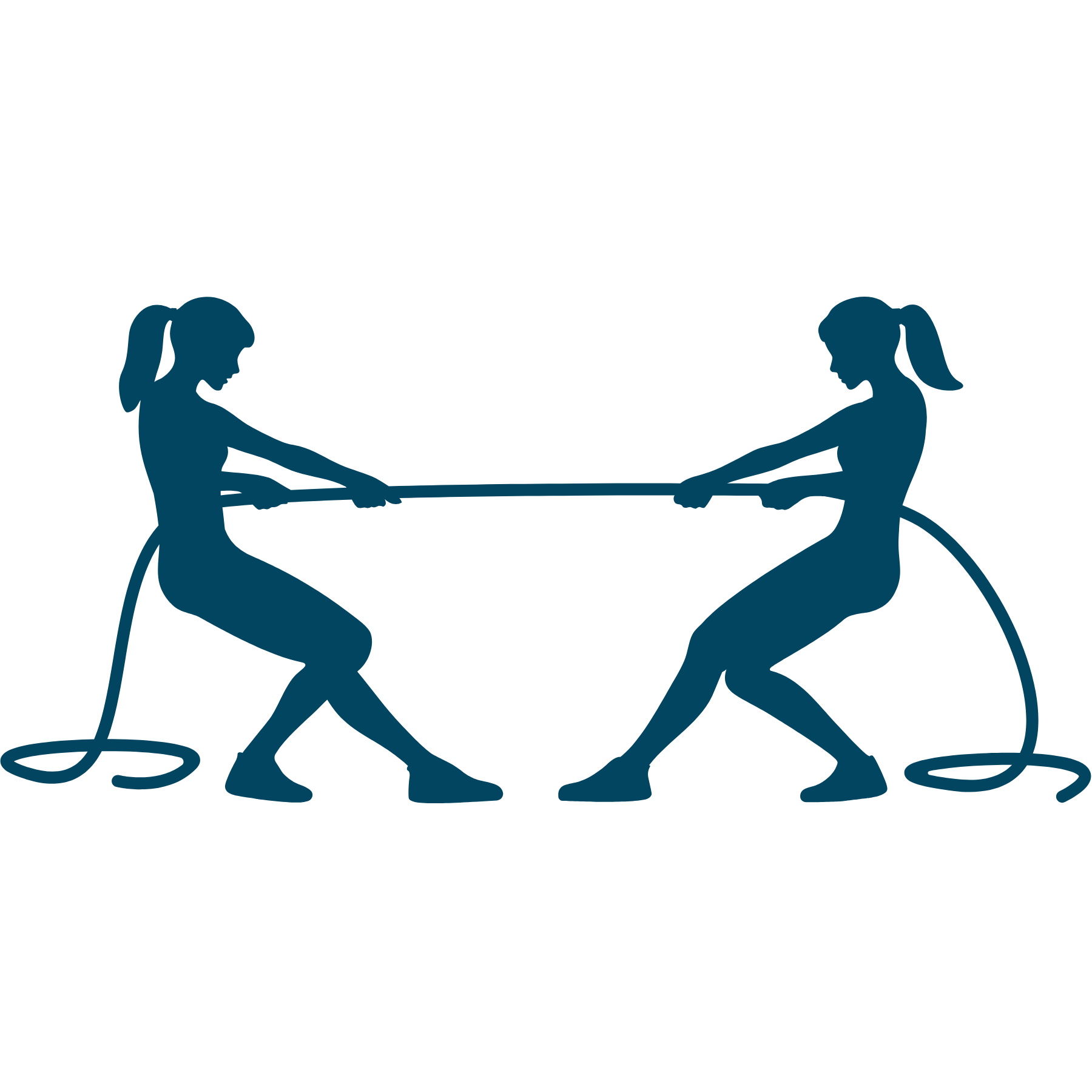
These unstable molecules steal electrons from healthy cells, causing damage and setting off a chain reaction - think of it like rust spreading on a car.
Your body makes free radicals naturally, like when it turns food into energy.
These superheroes step in to donate one of their own electrons to the free radicals, neutralizing them and stopping the damage without becoming unstable themselves.
Your body makes some, and you get more from foods like fruits and vegetables.
Supporting your body with antioxidant-rich foods and health habits helps keep this tug-of-war in balance

Putting Out the Flame
Inflammation impacts blood sugar, cholesterol & weight – here’s your fix.
Learn More
Home Chef Pro: Foundations
Culinary school made simple. Master knife skills, build flavor & more. Most popular course!
Learn MORE

Nutrition for Women's Hormones: The Cycle Years
Ease cramps, PMS + cycle chaos with nutrition to support balanced hormones.
Learn More
Nutrition for Women's Hormones: Perimenopause and Beyond
Find relief from hot flashes, mood swings & brain fog – feel like yourself again!
Learn more
GLP-1s: Roadmap for Success
Get the support your body needs while taking a GLP-1, including symptom relief + supporting long-term health.
Learn More
Home Chef Pro: Practical Applications
Stress-free meal planning & cooking – delicious food on any budget or schedule.
Learn More
Nutrition for Brain Health
Protect memory & focus with nutrition to support your brain long-term.
Learn More
Prenatal Nutrition
Nourish your body & baby with confidence and up-to-date pregnancy nutrition.
Learn More
Elimination Diet Miniseries
Discover food triggers causing discomfort as you’re guided through an Elimination Diet.
Learn More
Foundations of FODMAPs - an approach to IBS
Reduce gas, bloating & IBS symptoms with the proven low-FODMAP approach.
Learn More

You're now equipped with the knowledge and tools to support hormone balance, advocate for your health, and thrive for years to come. We're cheering you on as you build momentum from this course. You're welcome back anytime to revisit lessons or download resources.
Cheers to feeling more informed, empowered, and in tune with your body.
- Dietitians Megan and Brenda
Your rewards for completing this course will be added to your Optum Engage account within 4-6 weeks.
You're now equipped with the knowledge and tools to support your body through perimenopause so you can thrive for years to come. I'm cheering you on as you build momentum from this course. You're welcome back anytime to revisit lessons or download resources.
Cheers to feeling more informed, empowered, and in tune with your body.
- Brenda, CEO & Founder
Your rewards for completing this course will be added to your Optum Engage account within 4-6 weeks.
You're now equipped with the knowledge and tools to support your gut health so you can thrive for years to come. I'm cheering you on as you build momentum from this course. You're welcome back anytime to revisit lessons or download resources.
Cheers to feeling more informed, empowered, and in tune with your body.
- Megan, RD
Your rewards for completing this course will be added to your Optum Engage account within 4-6 weeks.
You're now equipped with the knowledge and tools to support your body and reduce chronic inflammation so you can thrive for years to come. I'm cheering you on as you build momentum from this course. You're welcome back anytime to revisit lessons or download resources.
Cheers to feeling more informed and ready to make change.
- Megan, RD
Your rewards for completing this course will be added to your Optum Engage account within 4-6 weeks.
You're now a Home Chef Pro and are equipped with the lifelong skills to make cooking with whole fresh foods that much easier. I'm cheering you on as you hone your skills learned in this course and continue building your confidence in the kitchen. You're welcome back anytime to revisit lessons or download resources.
Cheers to bringing more flavor to the kitchen!
- Chef Jeremy
Your rewards for completing this course will be added to your Optum Engage account within 4-6 weeks.
You're a Home Chef Pro and are equipped with the lifelong skills to make cooking with whole fresh foods that much easier. We're cheering you on as you hone your skills learned in this course and continue building your confidence in the kitchen. You're welcome back anytime to revisit lessons or download resources.
Cheers to bringing more flavor to the kitchen!
- Chef Jeremy, Chef Marshall, and Dietitian Megan
Your rewards for completing this course will be added to your Optum Engage account within 4-6 weeks.